How to Start Freelancing in 2026 (Complete Beginner’s Guide)

Freelancing is one of the fastest-growing ways to earn online. If you want to start freelancing in 2026, this complete beginner’s guide will help you understand everything step by step.
With the rise of remote work and digital businesses, companies now prefer hiring freelancers instead of full-time employees. This creates massive opportunities for beginners who want to build an online career.
In this guide, you will learn how to start freelancing in 2026, which skills are in demand, the best platforms to use, and how to avoid common beginner mistakes.
You can also check our guide on 5 Proven Digital Marketing Strategies for Beginners to improve your online skills.
What is Freelancing?
Freelancing means working independently for different clients instead of being permanently employed by one company.
As a freelancer:
- You choose your clients
- You set your rates
- You control your working hours
- You can work from anywhere
Freelancing gives flexibility and unlimited earning potential if done correctly.
Why You Should Start Freelancing in 2026
There has never been a better time to start freelancing in 2026 because:
- Remote work is growing worldwide
- Businesses need digital services
- Online payments are easier
- AI tools increase productivity
- Global clients are accessible
Freelancing is no longer just a side hustle. It can become a full-time career.
Many of these skills are covered in detail in our post How Freelixa Helps Businesses Grow Online in 2026.
Best Skills to Start Freelancing in 2026
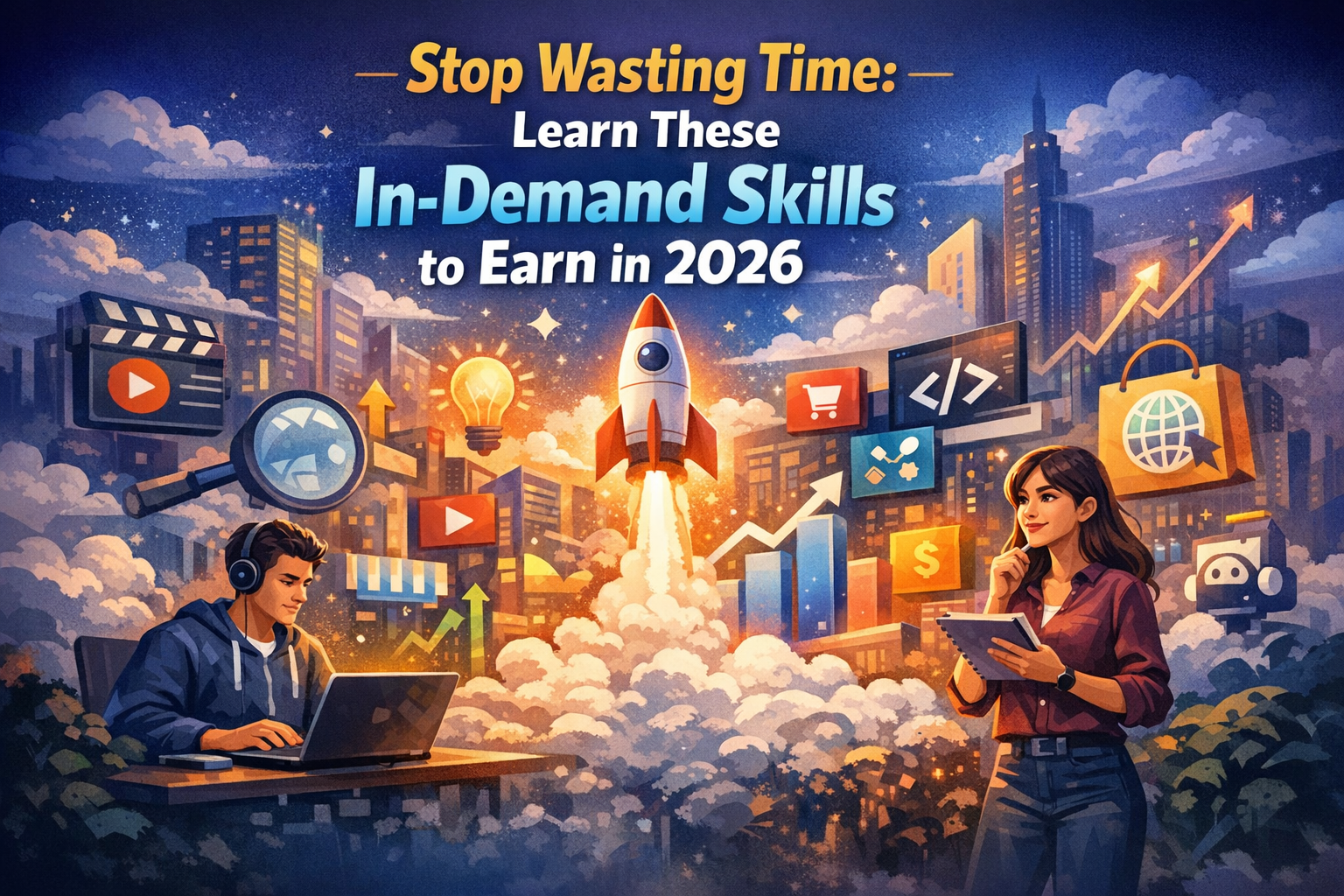
Choosing the right skill is the first step to start freelancing. Here are high-demand skills:
Focus on mastering one skill before offering services.
Top Freelancing Platforms for Beginners
- Upwork
- Fiverr
- Freelancer
- PeoplePerHour
Make sure your profile includes:
- A professional profile photo
- Clear skill description
- Portfolio samples
- Strong keywords
Step-by-Step Guide to Start Freelancing in 2026
Step 1: Choose One Skill
Select a skill that matches your interest and market demand.
Step 2: Learn and Practice
Use free resources, blogs, and courses to improve.
Step 3: Create a Portfolio
Build sample projects even if you don’t have clients.
Step 4: Create Professional Profiles
Optimize your freelancing profile with keywords.
Step 5: Send Custom Proposals
Avoid copy-paste proposals. Personalize each one.
Step 6: Deliver High-Quality Work
Client satisfaction leads to repeat work and better reviews.
Common Problems Beginners Face (With Solutions)
Problem 1: No Clients
Solution: Improve your proposals and portfolio quality.
Problem 2: Low Earnings
Solution: Upgrade your skills and target better-paying clients.
Problem 3: Rejections
Solution: Stay consistent and apply regularly.
Problem 4: Lack of Confidence
Solution: Practice communication and keep learning.
Freelancing requires patience and consistency.
How Much Can You Earn?
Your income depends on:
- Skill level
- Experience
- Communication skills
- Client quality
Beginners often earn $200–$500 per month. With experience, income can increase significantly.

Funnel Thought (Complete Beginner to Advanced Mindset Guide)
When you think about starting freelancing in 2026, it’s important to understand one powerful concept that most beginners ignore: freelancing is not just about skills, it is about building a system.
A funnel-based approach helps you move step by step from a complete beginner to a successful freelancer. Instead of randomly trying things, you follow a structured path that increases your chances of success.
Let’s break this down in a simple way.
Understanding the Freelancing Funnel
A freelancing funnel is the journey you follow to turn your skills into income. It starts from learning and ends at earning consistently.
The funnel usually looks like this:
Learning → Practice → Portfolio → Visibility → Clients → Growth → Scaling
Each stage is important. If you skip any step, your results will be slow or inconsistent.
Step 1: Build the Right Mindset
Before anything else, you need the right mindset. Many beginners fail because they expect quick results.
Freelancing is a skill-based business. It takes time, patience, and consistency.
You must understand:
You will not get clients immediately
You will face rejection
You will need to improve continuously
Instead of thinking about quick money, focus on long-term growth.
A great starting point to understand earning opportunities is our guide:
https://freelixa.com/online-income-roadmap-2026/
This will give you a clear idea of how online income works step by step.
Step 2: Choose a High-Demand Skill
The next step in your funnel is selecting a skill.
Without the right skill, you cannot move forward.
Some beginner-friendly and high-demand skills include:
Graphic Design
Content Writing
Social Media Management
Video Editing
Web Development
Digital Marketing
Choose one skill only. Many beginners make the mistake of learning multiple skills at once, which slows down their progress.
Focus deeply on one skill and aim to become better every day.
Step 3: Learn and Practice Daily
Once you select your skill, start learning from free and paid resources.
But remember one rule: learning without practice is useless.
You should:
Watch tutorials
Read blogs
Take courses
Practice daily
Try to apply what you learn immediately.
For students who are looking for a structured way to learn and earn, this guide is extremely helpful:
https://freelixa.com/2026-guide-for-students-earn-online-without-investment-using-real-methods/
This will help you understand how to start without any investment.
Step 4: Build a Strong Portfolio
A portfolio is your proof of work.
Clients do not hire you just because you say you are skilled. They want to see your work.
Even if you are a beginner, you can:
Create sample projects
Redesign existing work
Work on fake client projects
Offer free work initially
Your goal is to show that you can deliver quality work.
Make your portfolio simple but professional.
Include:
Your best work
Clear descriptions
Your role in each project
Results if available
Step 5: Create Professional Profiles
After building your portfolio, the next step is to create your freelancing profiles.
Platforms like Upwork, Fiverr, Freelancer, and PeoplePerHour are very important.
Your profile should include:
A professional profile picture
A strong bio
Clear description of your skills
Relevant keywords
Portfolio links
Your profile is your first impression. Make it count.
Think of it as your online CV that works 24/7.
Step 6: Learn How to Get Clients
This is the stage where most beginners struggle.
Getting clients requires strategy, not luck.
You need to:
Send personalized proposals
Understand client needs
Communicate clearly
Offer value
Never send copy-paste proposals. Clients can easily detect them.
Instead, write:
A personalized message
A clear solution to their problem
A confident but polite tone
Also, apply consistently. Freelancing is a numbers game.
Step 7: Deliver High-Quality Work
Once you get a client, your main goal is to deliver excellent work.
Client satisfaction is everything.
Make sure you:
Understand the project clearly
Communicate regularly
Meet deadlines
Deliver quality work
Happy clients can:
Give you repeat work
Provide good reviews
Refer you to others
This is how your freelancing funnel starts generating income.
Step 8: Build Your Reputation
After completing multiple projects, your focus should shift to building a strong reputation.
Your reputation includes:
Positive reviews
Client feedback
Successful projects
A strong reputation allows you to:
Charge higher rates
Get better clients
Stand out from competitors
Consistency is key at this stage.
Step 9: Scale Your Income
Once you start earning, the next step is scaling.
Scaling means increasing your income without increasing your workload too much.
You can:
Increase your rates
Offer premium services
Create packages
Work with long-term clients
At this stage, freelancing becomes a real career, not just a side hustle.
Step 10: Build Long-Term Stability
Many freelancers make the mistake of focusing only on short-term income.
To succeed in the long run, you need stability.
You can achieve this by:
Building strong client relationships
Creating recurring income streams
Diversifying your skills
Learning continuously
Stability ensures that your income doesn’t depend on one source.
Step 11: Think Like a Business Owner
The final stage of the funnel is mindset transformation.
You are no longer just a freelancer. You are running a business.
Start thinking like a business owner:
Build systems
Automate tasks
Improve efficiency
Plan for growth
This is where you separate yourself from average freelancers.
Final Funnel Summary
To summarize the freelancing funnel:
Build the right mindset
Choose one high-demand skill
Learn and practice consistently
Create a strong portfolio
Set up professional profiles
Get clients through smart strategies
Deliver high-quality work
Build your reputation
Scale your income
Create stability
Think like a business owner
Final Thoughts on Funnel Thinking
If you follow this funnel properly, your freelancing journey becomes structured and predictable.
Instead of confusion, you will have clarity.
Instead of randomness, you will have direction.
And instead of struggle, you will have growth.
Freelancing is not about shortcuts. It’s about following a system, improving daily, and staying consistent.
Start today, follow the funnel step by step, and you will see results over time.


Pingback: Build Personal Brand Online in 2026 – Complete Beginner Guide
Pingback: How Students Can Start Earning Money Online in 2026 (No Investment) - Freelixa
Pingback: Digital Marketing Strategies for Beginners: 5 Proven Tips for 2026