

The day I started looking at websites differently using a google bot mindset, I noticed something I had never paid attention to before.
I’ve been blogging for a while now, and like most people, I used to focus on the usual things—writing good content, adding keywords, and trying to make things “SEO friendly.”
But at some point, something didn’t add up.
Some simple looking websites were ranking really well.
At the same time, some articles I personally worked hard on were barely getting any attention.
That’s when I started questioning my approach.
I thought maybe my writing wasn’t strong enough, or maybe the design wasn’t good, or maybe I was missing backlinks.
But the real issue turned out to be something else.
So I tried something different
For one day, I decided to stop thinking like a blogger.
Instead, I started viewing websites the way a search engine system might evaluate them.
Not from a reader’s perspective, and not as someone who is trying to enjoy the content.
Rather, I looked at them as a system that scans information, understands structure, and identifies what is clear and what is not.
The first thing I noticed was how different everything feels
When you open a website as a normal user, you notice design, colors, and maybe what catches your attention first.
But when you look at the same website from a system point of view, your focus completely shifts.
You stop caring about how it feels and start noticing things like:
- What is this page actually about?
- Is the purpose clear or confusing?
- Do the pages connect with each other or feel isolated?
And honestly, this changes how you judge a website completely.
Confusion is more common than I expected
I checked a few websites with this mindset, and one thing became obvious very quickly.
A lot of them are confusing.
Not because they have bad content, but because they don’t clearly explain what they are actually trying to do.
You land on the homepage, scroll a bit, maybe read one article—and still don’t get a clear answer about the website itself.
And when that happens, even good content loses impact.
Because clarity is what keeps everything together.
When I Started Looking at Websites Like a System
After that first day, something stayed in my mind.
It wasn’t design. It wasn’t keywords. It wasn’t even content quality in the way I used to think about it.
It was something simpler:
How does a website actually connect its own content together?
Because honestly, most websites don’t feel like a “system.” They feel like separate pages just floating around with no real connection.
And that’s where everything started making more sense.
Internal linking is not just SEO it’s direction
When I first started noticing internal linking, I used to think it was just an SEO trick. Something people do to rank pages.
But when you actually look at it from a system point of view, it’s not about ranking at all.
It’s about direction.
A website without internal links feels like a city with no roads.
You can see buildings, but you don’t know how to move from one place to another.
And that’s exactly what happens when articles are published without any connection.
Readers finish one page… and leave.
Not because the content is bad, but because nothing guides them forward.
That’s when I realized something important.
A website is not just a collection of posts.
It should behave like a connected structure.
The difference between random content and connected content

I started checking older articles on different websites, including my own.
Some posts were good individually, but they were completely isolated.
No links to related topics. No flow. No continuation.
It felt like each article was written in its own world.
On the other hand, websites that performed better had something different going on.
Their content was connected.
One article naturally led to another.
Not forced. Not robotic. Just naturally related.
And that small difference changes everything.
Because when content is connected, users stay longer without even realizing it.
How I started thinking about internal linking differently
Instead of thinking “where should I add a link for SEO,” I started asking a different question:
If a reader finishes this article, what would they logically want next?
That one question changed how I approach linking completely.
Because now it’s not about inserting links randomly.
It’s about creating a path.
For example, if someone is reading about content strategy, the next natural step might be understanding how search engines actually read content.
That flow feels natural. It doesn’t feel forced.
And that’s the key difference.
External links started making more sense too
I used to ignore outbound links a lot.
Honestly, I thought they were just optional.
But when I looked at strong websites, I noticed something interesting.
They don’t just talk inside their own bubble.
They reference trusted external sources when needed.
Not too many. Not spammy. Just enough to show clarity and credibility.
For example, when you read about SEO practices, it makes sense to also understand how search engines officially describe crawling and indexing.
That’s why referencing trusted sources matters.
Like:
Google Search Central explains how crawling and indexing works
Moz has detailed guides on SEO structure and internal linking
These aren’t just links. They act like supporting signals.
They tell both users and systems that your content is not isolated thinking.
The mistake most websites make with linking
One thing I noticed clearly is this:
Most websites either overdo linking or ignore it completely.
Both are problems.
Too many links make content feel forced and messy.
No links at all make content feel disconnected.
The balance is what matters.
When internal links are used naturally, they don’t feel like SEO.
They feel like guidance.
And that’s what good websites actually do.
They guide instead of just publish.
A small shift in thinking changed everything for me

At this stage, I started noticing a pattern in my own work.
Earlier, I would publish articles and move on.
But now I was thinking differently.
Before publishing anything, I would ask:
- Where does this content belong in the website structure?
- What should the reader see next?
- Is there already something I can connect this to?
This small change made my content feel more “alive” instead of isolated posts.
Internal links I used as reference while restructuring
While improving my content structure, I also revisited some of my own internal pages to understand how they connect:
how to go viral on social media in 2026
content strategy that works 2026
trusted website for adsense 2026
When you look at these not as separate posts, but as a connected system, they start forming a pattern.
One leads into another naturally.
That’s exactly what makes a website feel structured instead of random.
What I understood at this stage
After going through all this, one thing became clearer than everything else.
A website is not judged page by page.
It’s judged as a whole structure.
And if that structure is weak or disconnected, even good content struggles to perform.
What Actually Makes a Website Trustworthy in Google’s Eyes
After spending time looking at websites differently, something slowly became clear to me.
At that point, content quality alone didn’t seem like the main factor anymore.
SEO tricks or better headlines also didn’t feel like the real answer.
Instead, the focus shifted toward something deeper closer to how a system quietly evaluates everything in the background.
I started noticing a pattern that kept repeating.
Websites that perform well don’t just “look good” or “write well.”
They feel stable, consistent, and structured in a way that makes sense when you step back and look at everything together.
This is where the idea of a Google bot mindset really started to make sense to me.
Not as a technical term, but as a way of understanding how websites are evaluated beyond human emotion.
Trust is not visible, but it changes everything
One thing that surprised me during this whole observation was how “trust” works in a digital environment.
You don’t see it directly.
There’s no badge that says this website is trusted.
But you can feel when it is missing.
A website without trust signals feels incomplete, even if the content is fine.
And when I started thinking from a Google bot mindset, I realized trust is built through very small things that most people ignore.
Things like consistency, structure, clarity, and how information is presented over time.
Consistency creates the foundation of trust
At one point, I went back and checked different websites again.
This time I wasn’t looking at design or writing.
I was looking at patterns.
And one pattern stood out very clearly.
Websites that stay consistent over time feel more reliable.
Not because they are perfect, but because they follow a direction.
When content feels random, the entire structure feels unstable.
But when everything stays aligned around a topic or purpose, the website slowly builds identity.
And identity is one of the strongest signals inside a Google bot mindset.
It tells the system what the website is about without needing explanation every time.
Thin content quietly weakens everything
Another thing I noticed, and this one is important, is how thin content affects overall perception.
Some articles look fine at first glance.
They have words, paragraphs, and even structure.
But when you read deeper, there’s not much real value inside.
No real insight. No experience. No depth.
From a Google bot mindset, that kind of content doesn’t add much to the system.
It exists, but it doesn’t contribute strongly.
And when too many pages feel like that, the whole website starts losing strength slowly.
Not suddenly, but gradually.
That’s what makes it dangerous.
Because everything looks normal from the outside, but internally the value is not strong enough.
The difference between writing and explaining
Something interesting happened when I changed how I read content.
I stopped focusing on writing style and started focusing on explanation quality.
And there’s a big difference between the two.
Writing can look beautiful.
But explanation is what actually helps a reader understand something properly.
From a Google bot mindset, explanation matters more than decoration.
If a page clearly explains a topic, it becomes easier to understand its purpose.
This shift in thinking changed how I evaluate every piece of content now.
Why structure quietly decides everything
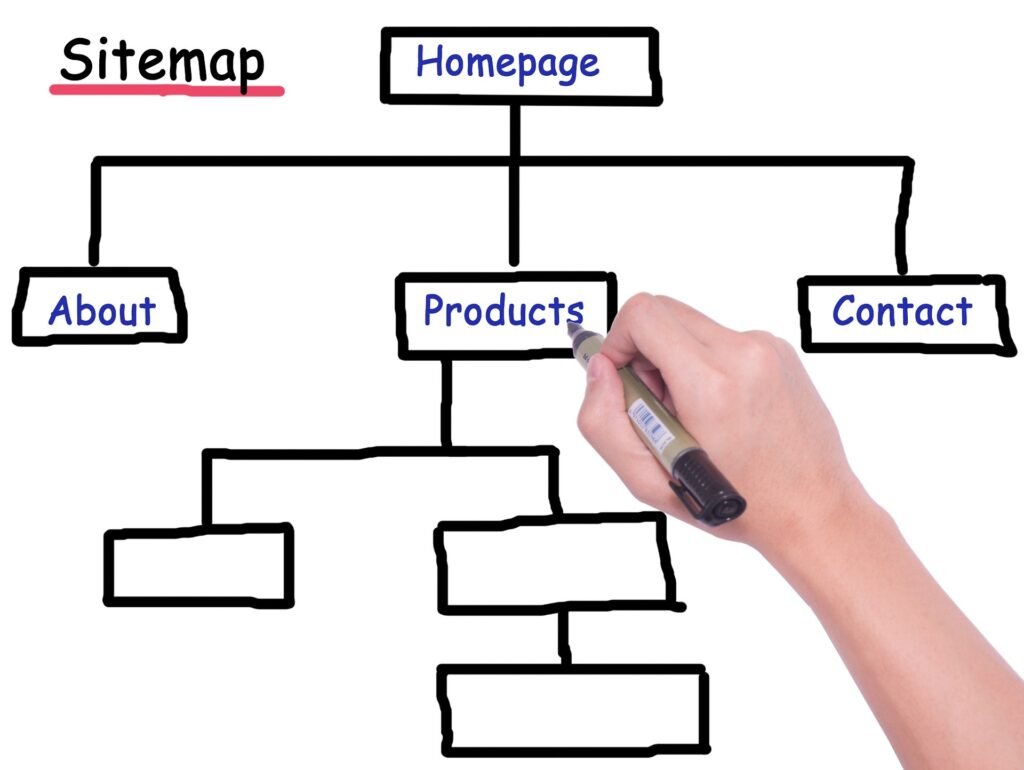
There’s something most people underestimate.
Structure is not just formatting.
It is how information flows.
When structure is clean, everything feels easier to follow.
When structure is messy, even good ideas feel confusing.
I started noticing that websites with strong structure naturally guide readers from one idea to another.
Not in a forced way.
In a natural way.
And this is where the Google bot mindset becomes very practical.
It doesn’t read content emotionally.
And structure decides whether content is easy to process or not.
Repetition vs clarity a small but important difference
While reviewing different pages, I also noticed something subtle.
Some content repeats ideas in different words without adding anything new.
At first it looks like explanation.
But after a while, it becomes noise.
From a Google bot mindset, repetition without value doesn’t help understanding.
Clarity does.
Clear writing says something once, properly, and moves forward.
It doesn’t circle around the same point again and again.
That difference might feel small, but it changes how content is interpreted.
A website is not a collection of posts
One of the biggest realizations I had during this process was simple but important.
A website is not just a group of articles.
It is a connected system of information.
When everything works together, the website feels complete.
When everything is separate, it feels fragmented.
This is where the idea of Google bot mindset becomes very useful again.
Because it doesn’t look at pages individually.
It looks at the overall structure and how everything fits together.
Why some websites grow slowly but steadily
I also noticed something interesting about websites that grow over time.
They don’t try to do everything at once.
They focus on building a clear direction.
Each piece of content adds something to the overall structure.
Nothing feels random.
And slowly, that builds strength.
From a Google bot mindset, this kind of growth makes sense.
Because systems tend to prefer structure that becomes clearer over time, not content that appears without connection.
The final realization
After going through all of this, my thinking changed in a very simple way.
Earlier, I used to focus on writing better articles.
Now I focus on building clearer websites.
There’s a difference between the two.
Writing better improves individual content.
But building clarity improves the entire system.
And when I look at everything through a Google bot mindset, one thing stands out clearly.
Websites don’t get judged only by what they say.
They get judged by how clearly everything fits together.
Clarity, structure, and consistency quietly shape everything else.
Final thought
This entire experience didn’t teach me a trick or shortcut.
It taught me a perspective.
When you stop thinking only as a writer and start thinking in terms of systems, everything changes.
And once that shift happens, you don’t look at websites the same way again.

Pingback: Why People Leave Website in 5 Seconds | Fix Bounce Rate Fast
Pingback: How to Make Website Look Professional